The model
Real ownership, shared sensibly.

What youactually own.
You take a defined, registered fraction of real property. For hotels, venues, farmland, and development land, that means one named asset. For residential and commercial, it means one named collection: a small set of identified properties held together, every one of them on the register, with your fraction applying equally across the whole collection. Not a unit in a pool. Not a share in a company that owns many things you cannot see. Ownership you can point to, confirmed by counsel.
The single asset.
Hotels, venues, farmland, development land. One registered asset, one table of six to thirty co-owners, scaled to its value.
The named collection.
Residential and commercial. Several identified properties held together; six to twelve co-owners share every one of them equally, and no one holds more than half of any single property.
Where your piececan live.
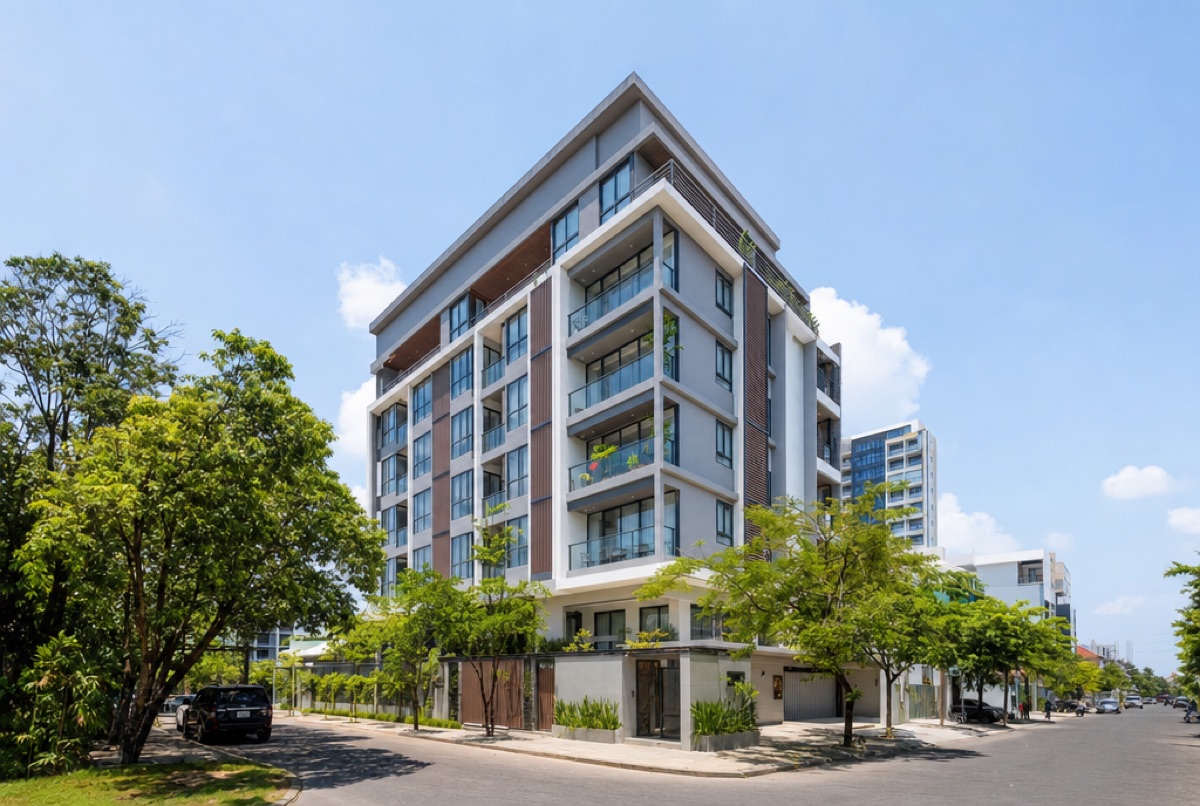
Residential collections
A named set of city homes, held together by one small table.

Vacation homes
Riverside and coastal houses, with scheduled co-owner use.

Commercial spaces
Shophouses and street-front rooms with working tenants.

Hospitality
Boutique hotels run by the operating partner, key by key.

Farmland
Titled parcels with operator leases on the working land.
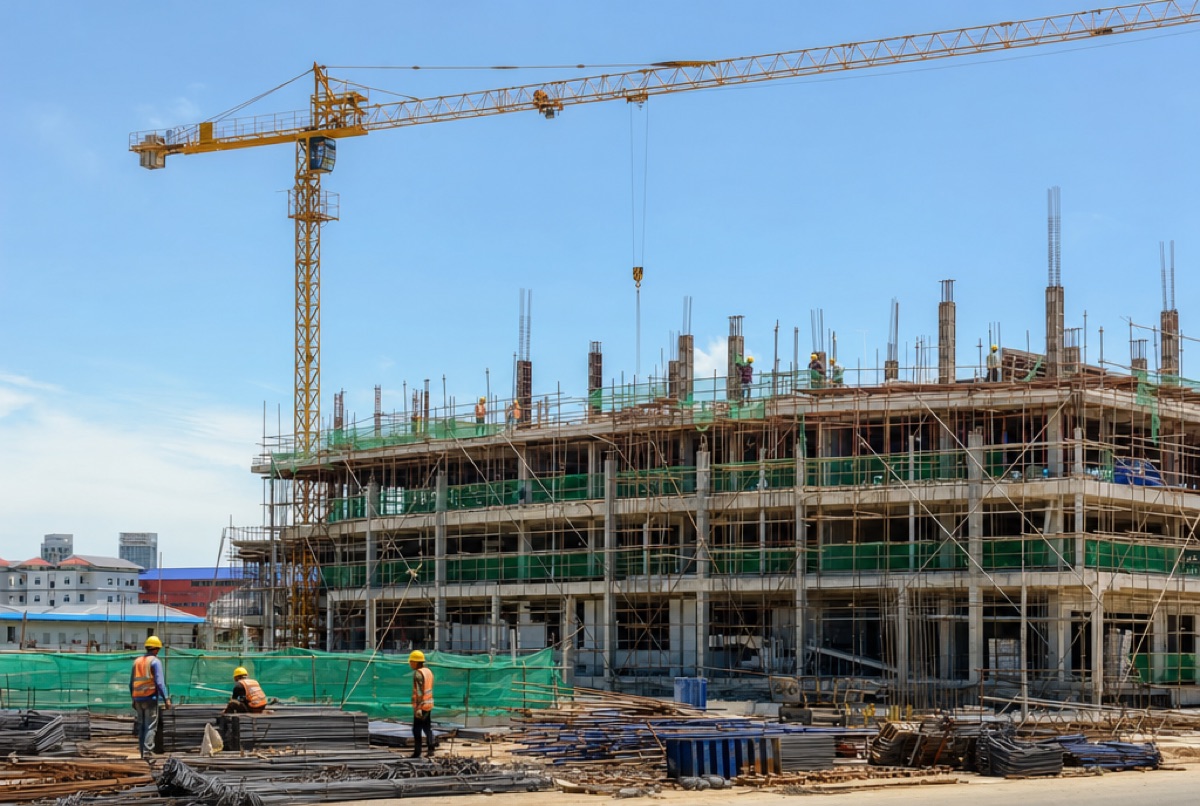
Development land
Land held through planning, documented at every step.
The four steps.
-
Step 1
Choose the asset.
One named asset or one named collection, full numbers on the table. You see the properties themselves, the district data behind them with sources, and the ownership pack before you commit. Nothing is blind and nothing is bundled out of sight.
-
Step 2
Take your piece of the title.
A defined fraction, registered, documented by counsel. Your name on the ownership. The pack sets out exactly what is registered, where, and how your interest is confirmed in the market's legal framework.
-
Step 3
We run everything.
Tenancy, maintenance, and reporting are managed under a written agreement, for a disclosed fee, by our exclusive operating partner in Cambodia. You receive statements, not surprises.
-
Step 4
Hold, use, or transfer.
Hold for the district's rental income. Use it where the asset allows. Transfer your piece when you choose, with the annual appraisal as your floor and no forced sale date.
The framework.
Tessaic's ownership framework was designed with licensed counsel and is registered under the laws that govern property in each market where we operate. Local and foreign co-owners hold lawful, registered interests, confirmed in writing. Tessaic is never owner, manager, and fee-collector in one box: the roles are separated on purpose.
One thing you will not find on this page is the blueprint itself. The full legal mechanics, every party, every filing, every safeguard, are set out step by step in the ownership pack we share with serious buyers. We keep them off the public internet deliberately. The framework took years and counsel in two countries to build, and it is part of what you are buying.
Registered ownership.
Every co-owner's interest is recorded and confirmed in writing, on the register, before any money moves.
Separated roles.
Whoever holds title never also manages the asset and collects the fees. Roles are split on purpose, with counsel across both markets.
Independent appraisal.
A third-party appraisal every year sets the floor price for transfers. Your exit is priced by an outsider, not a negotiation.
Documented exit.
Transfer rights, priority-sale options, and the commission are fixed in writing in the ownership pack before you commit.
The small table.
Collections and homes carry between six and twelve co-owners in equal fractions. Larger single assets, a hotel, a significant landholding, carry up to thirty, scaled to the value of the asset. We keep every table small on purpose. Easier to govern, faster to decide, and clearly on the co-ownership side of the line.
Governance.
-
01
A co-ownership agreement sets voting, major-decision thresholds, transfer rights, and default.
-
02
The operating partner pays its own portion on any fraction it holds.
-
03
The management fee is separate, disclosed, and fixed in writing.
-
04
Buyer funds sit in a designated, controlled account, never operating cash.
How you leave.
Tessaic assets are held for the long term, with no forced sale date. You transfer your piece when you choose. An independent appraisal every year sets your floor price. Standard transfer commission N/A. Priority-sale options in the ownership pack.